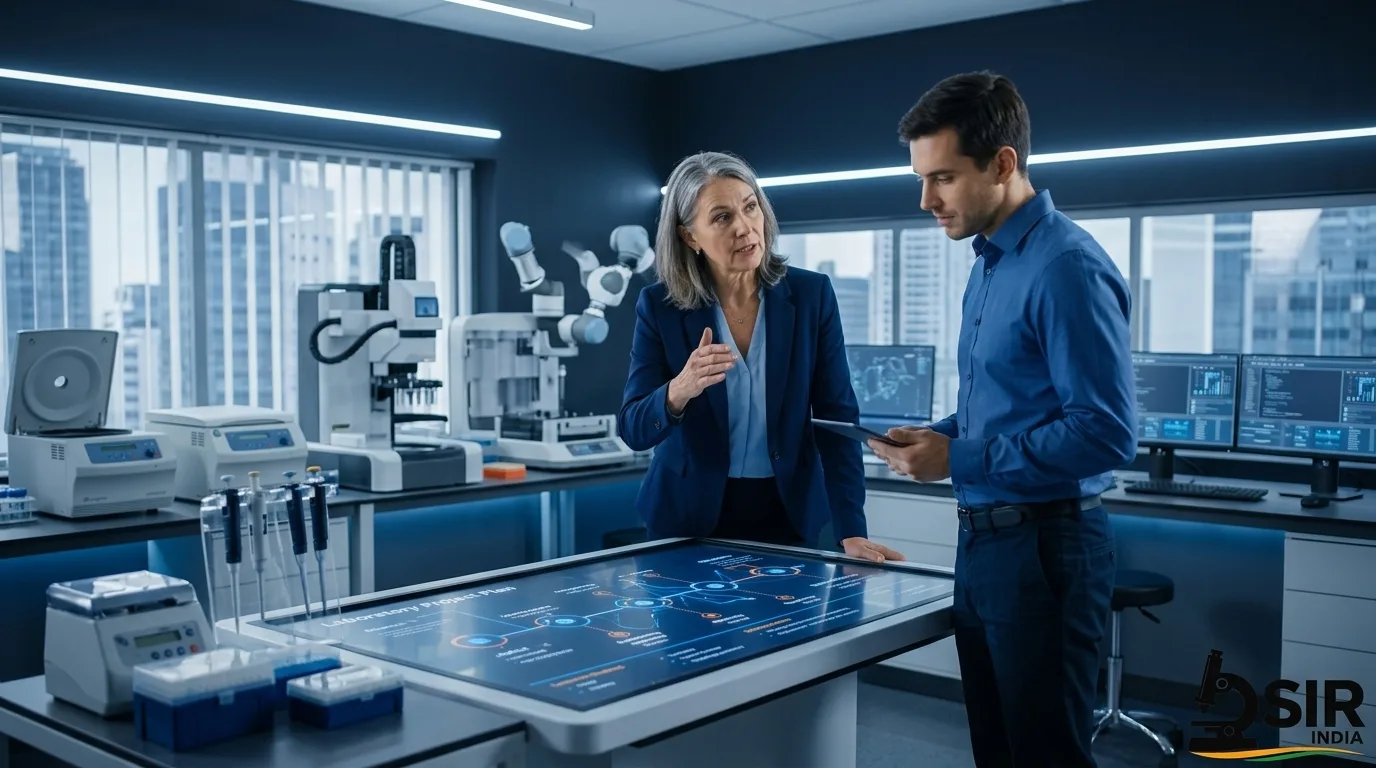
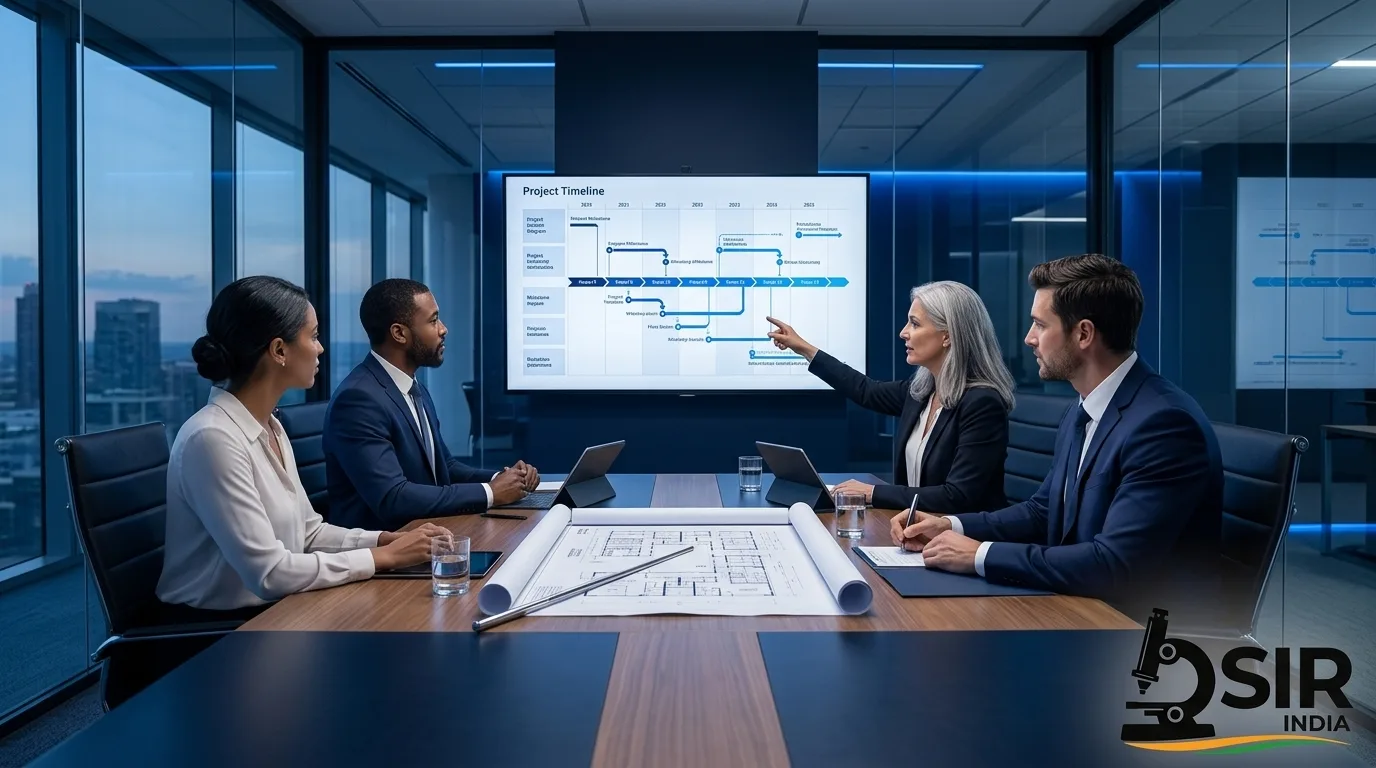
Securing DSIR recognition involves more than just submitting a pristine paper dossier. The defining moment of the application process is the physical (or sometimes virtual) site inspection conducted by the DSIR expert panel. This committee verifies that the reality of your R&D facility matches the claims made in your Form 3CK.
The Core Objectives of the Inspection
The panel's primary goal is not to penalize you, but to validate your scientific intent. They are looking for hard evidence that your R&D facility is functionally separate from commercial manufacturing and that your personnel are actively engaged in structured experimental work.
1. Physical Demarcation and Security
One of the most common reasons for rejection is a lack of physical separation. The R&D laboratory must have a clearly defined boundary (walls, access-controlled doors, or separate floor levels). The committee will check if the layout matches the architectural blueprints submitted with your application.
2. Verification of Asset Ledgers
Every piece of testing equipment, diagnostic tool, or specialized software claimed in your dossier must be physically present and tagged. The panel will cross-reference your submitted invoice list with the serial numbers on the actual machinery.
3. The Importance of Logbooks
Your team's ability to produce sequential, dated laboratory logbooks is critical. The committee wants to see a documented trail of hypotheses, trial runs, failures, and design iterations. Clean, "perfect" logbooks created a week before the inspection are a major red flag.
4. Personnel Interviews
The panel will speak directly to your Principal Investigators and technical staff. They will ask questions about the methodology of ongoing projects to ensure the team possesses the technical depth claimed in their resumes.
Conducting a Mock Audit
We strongly advise companies to conduct a rigorous mock audit before the actual inspection. As experienced consulting partners, we help teams organize their project dossiers, tag equipment appropriately, and rehearse technical presentations to ensure a smooth, anxiety-free inspection day.