
Understanding why DSIR applications fail is key to optimizing your submission. Based on our consulting experience, we have outlined the ten most common issues flagged by evaluation committees.
10 Common Reasons for Delay or Rejection
- Unclear R&D Objectives: Stating general business activities instead of structured scientific hypotheses.
- Weak Innovation Angle: Failing to demonstrate how the research improves on existing technologies.
- Inadequate Technical Manpower: Lack of qualified full-time researchers dedicated to R&D.
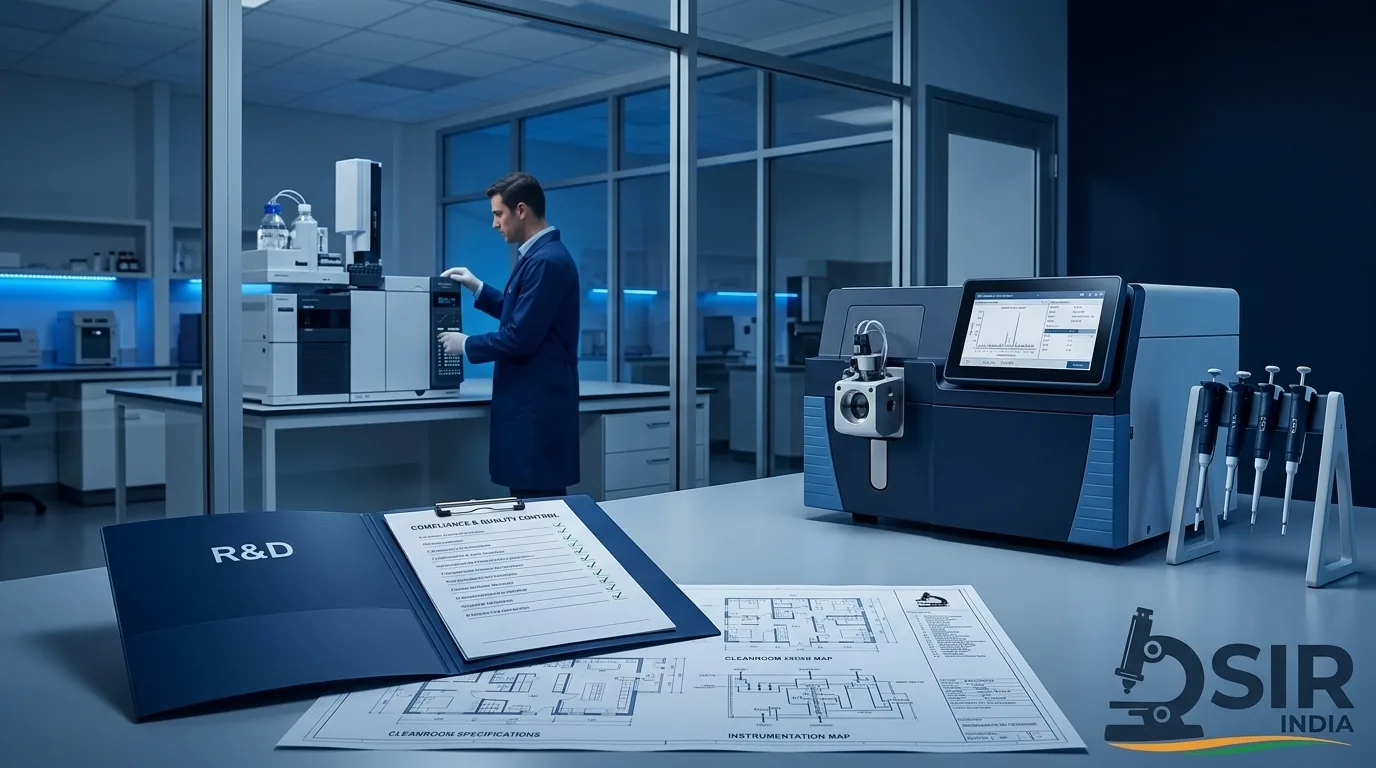
- Poor Infrastructure Demarcation: R&D labs sharing physical spaces with commercial manufacturing floors.
- Lack of Project Logs: Failing to maintain sequential, dated lab notebooks or design logs.
- Routine Quality Control Mixed with R&D: Presenting routine product testing or QC operations as scientific research.
- Financial Inconsistencies: Mismatches between R&D project budgets and general ledger entries.
- Incomplete Documentation: Missing invoices for key research equipment or missing staff credentials.
- Lack of Clear Outcomes: Failing to show patents, publications, prototypes, or trial run records.
- Inadequate Prep for Panel Inspection: Team members unable to explain the research methodology during the audit.
Conducting a Pre-Submission Review
Before submitting, companies should undergo a complete mock audit and dossier verification. Identifying and correcting these issues early is the most effective way to ensure a fast, successful approval process.