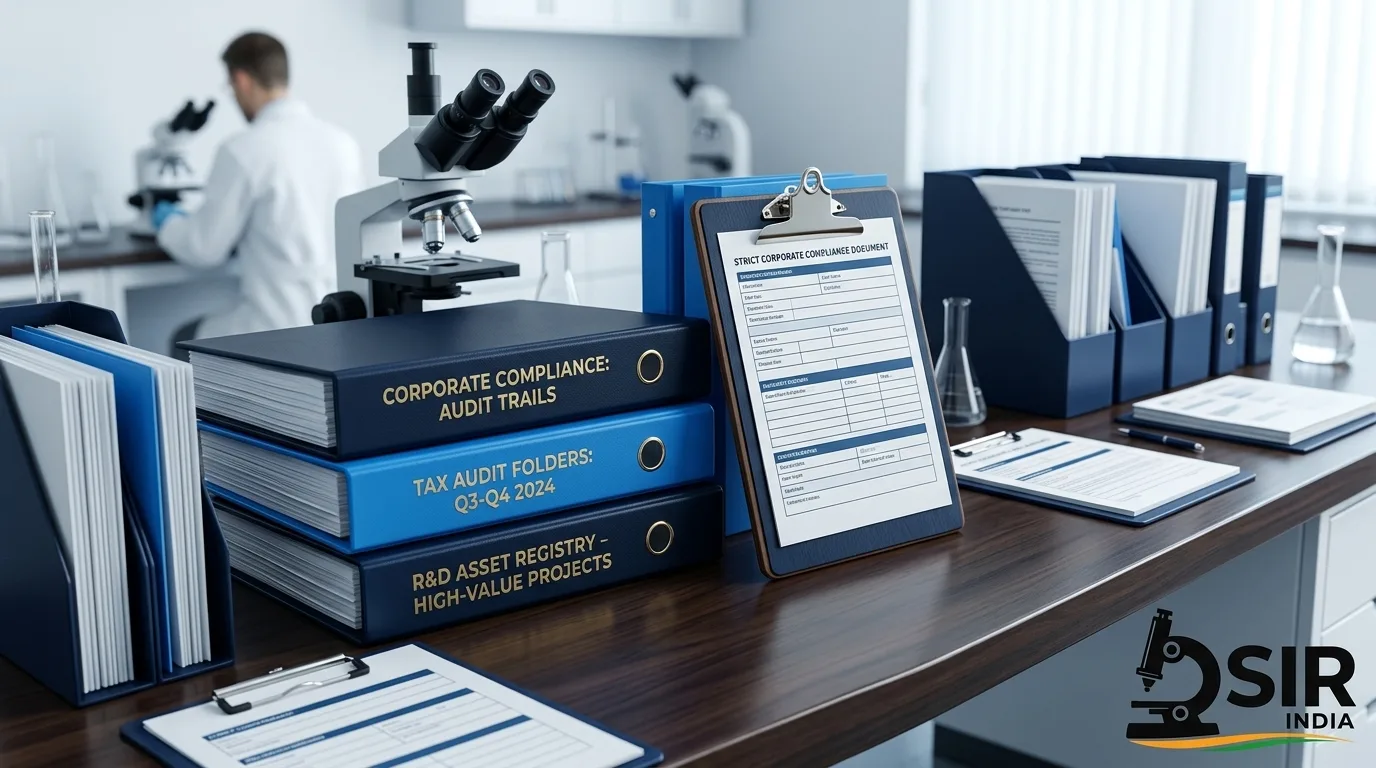
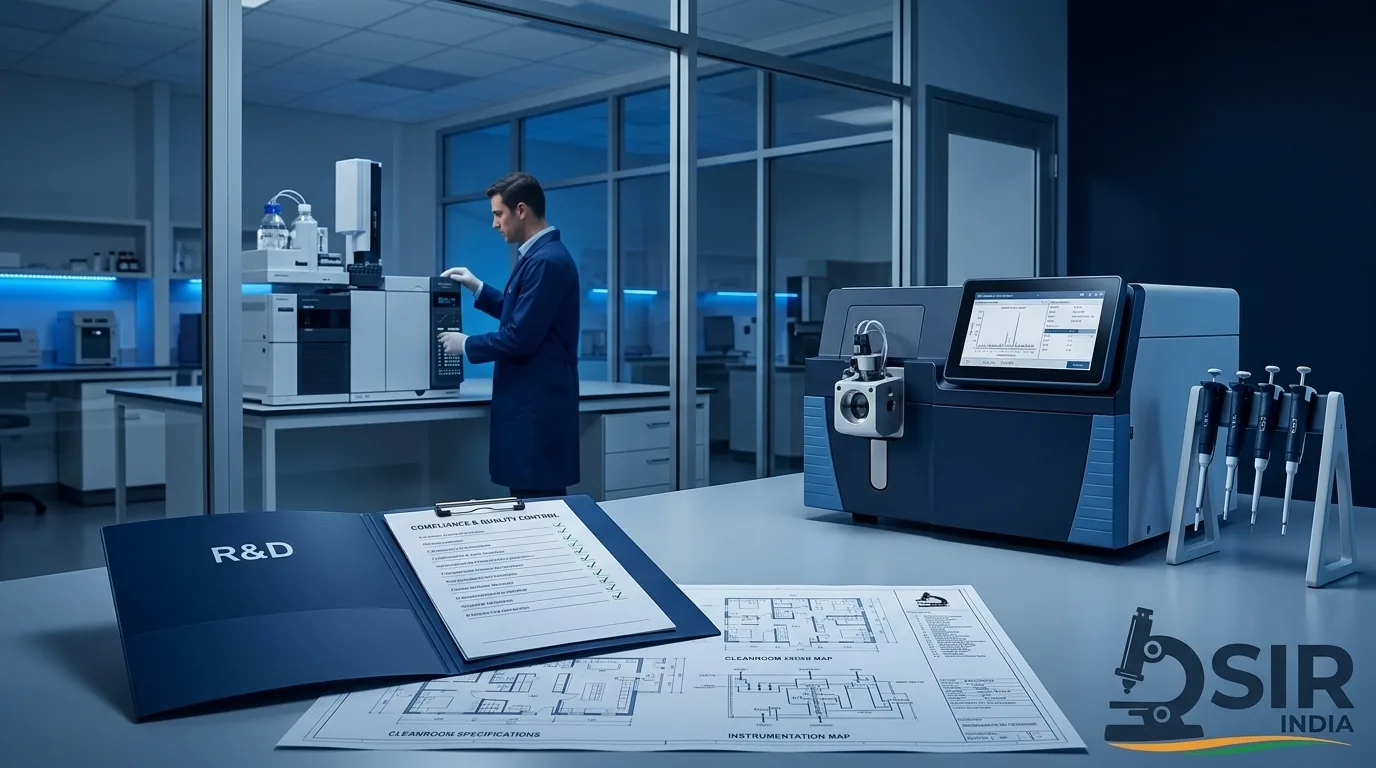
One of the most common misconceptions among Indian businesses is that having an "R&D department" or employing a team of developers automatically qualifies the organization for official recognition by the Department of Scientific and Industrial Research (DSIR). In reality, DSIR recognition is an administrative status reserved exclusively for in-house R&D units that satisfy strict eligibility criteria concerning the nature of R&D activity, dedicated manpower, and separate infrastructure.
1. Who Can Seek Recognition?
Any Indian company registered under the Companies Act (including Private Limited, Public Limited, or LLPs) that is actively investing in research and development can apply. However, proprietary concerns and partnership firms are generally not eligible under the standard guidelines.
2. What Constitutes an In-House R&D Unit?
An in-house R&D unit must be a separate entity within the company's structural layout. It must have a clearly demarcated physical space separate from commercial manufacturing or production lines. A shared office floor where software testing or routine assembly takes place does not qualify.
3. Nature of R&D Activities
The research conducted must be scientific and exploratory. It should aim at developing new or improved products, processes, or technologies. The development of proprietary technology, design improvements, or custom formulations are strong indicators of qualifying R&D.
4. Technical Manpower and Expertise
The unit must be staffed by qualified, full-time researchers (engineers, scientists, or doctoral candidates). DSIR evaluates the ratio of technical to administrative staff and reviews the technical credentials of the principal investigators.
5. R&D Infrastructure and Equipment
There must be dedicated laboratory equipment, prototyping machines, testing tools, and design software. These assets must be registered in the company's asset ledger specifically under the R&D unit.
6. R&D Expenditure and Records
Companies must maintain separate accounts, ledgers, and timesheets showing R&D costs. Detailed project logs detailing the research hypothesis, experimental iterations, and results are essential proof.
7. Product and Process Innovation
The R&D work must show a clear innovation angle, leading to new patents, publications, or proprietary technical designs.
8. Non-Qualifying Activities
Routine operations such as quality control, batch testing, troubleshooting, market research, or minor modifications to standard manufacturing lines are not considered genuine scientific R&D by the evaluators.
9. Preliminary Eligibility Assessment
Before submitting an application, companies should perform a gap analysis of their infrastructure, staff credentials, and documentation. Eligibility depends on how these resources fit together, rather than one isolated factor. We recommend getting a formal eligibility assessment rather than attempting a DIY submission.