
What is DPIIT?
The Department for Promotion of Industry and Internal Trade (DPIIT), under the Ministry of Commerce and Industry, Government of India, is the central government body responsible for formulating and implementing policies related to industrial growth, startup ecosystems, and internal trade.
DPIIT plays a key role in the Startup India initiative, which aims to foster innovation and entrepreneurship across the country.
What is a DPIIT-Recognized Startup?
A DPIIT-recognized startup is a company that has been formally registered and recognized under the Startup India programme. To qualify, the entity must typically meet certain criteria related to its age, turnover, innovation, and business structure.
Key characteristics generally include:
- The entity is incorporated as a Private Limited Company, LLP, or Registered Partnership
- It has been in existence for a limited number of years from incorporation
- Its annual turnover does not exceed prescribed limits
- It is working towards innovation, development, or improvement of products, processes, or services
How and Where Can Startups Apply for DPIIT Recognition?
Startups can apply for DPIIT recognition through the official Startup India portal. The application process is typically online and involves submitting details about the entity, its innovation, and supporting documentation.
Once recognized, startups receive a DPIIT Recognition Certificate, which can be useful for various government schemes, funding opportunities, and regulatory provisions.
How is DPIIT Status Relevant to DSIR?
While DPIIT recognition and DSIR recognition are entirely separate processes administered by different government departments, there are important areas where DPIIT status becomes relevant in the context of DSIR.
The DSIR recognition process evaluates whether an organization has a genuine, functional in-house R&D unit. Traditionally, companies are expected to have completed a minimum operational history (generally three financial years) before applying.
However, DPIIT-recognized startups, particularly those categorized as deep-tech startups, may benefit from certain eligibility provisions that can be relevant when evaluating their suitability for DSIR recognition.
Startup Eligibility Considerations
The DSIR application involves several eligibility, documentation, technical, and compliance considerations. For startups, the following areas are particularly important:
- Nature of R&D Activities: The startup must be engaged in genuine scientific or technological research — not routine software development, marketing, or business operations.
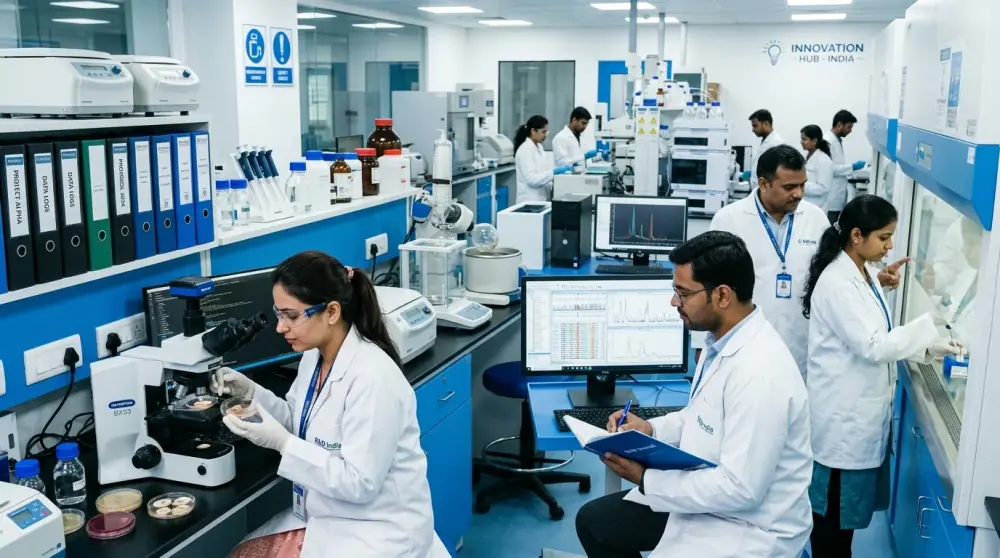
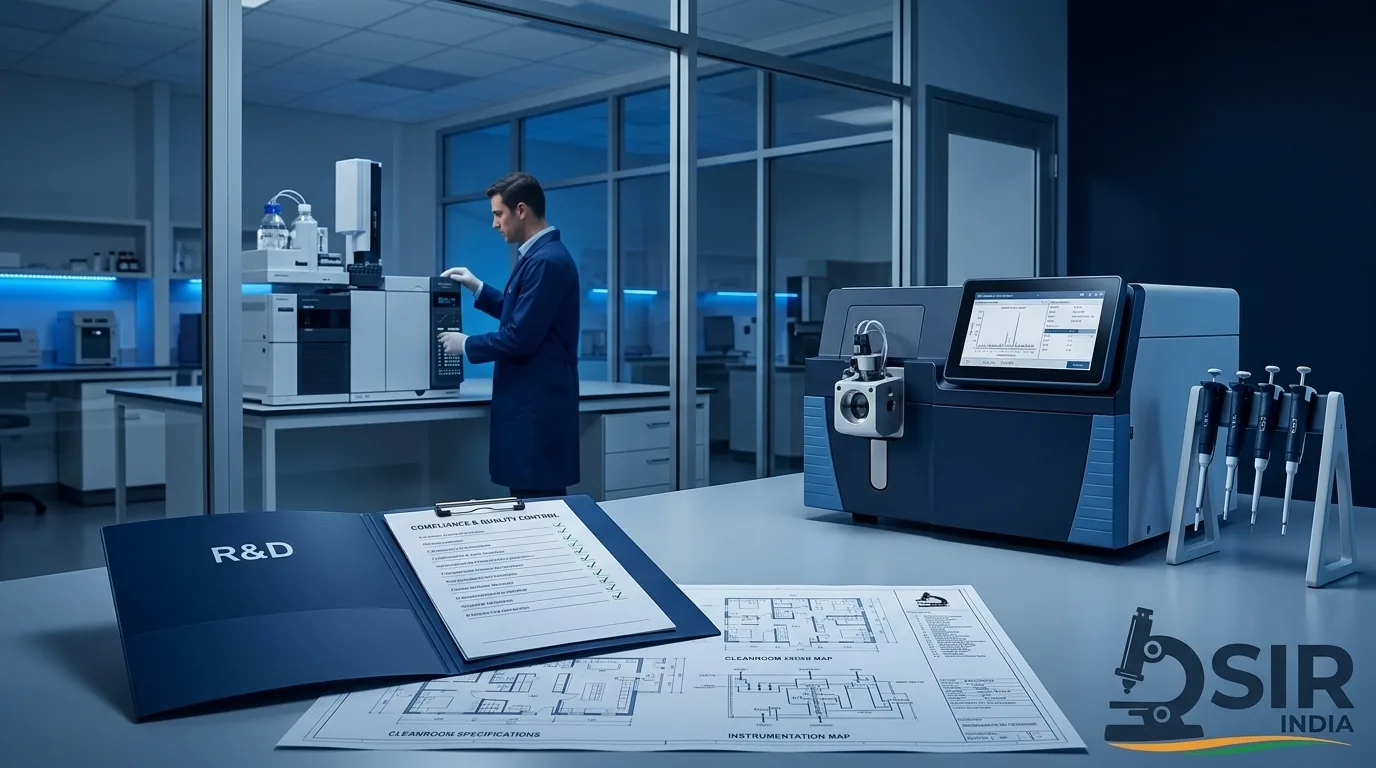
- Dedicated R&D Infrastructure: A separate, demarcated laboratory or R&D facility is expected, with dedicated testing and prototyping equipment.
- Qualified Research Personnel: Full-time researchers with relevant technical qualifications (B.E/B.Tech, M.Sc, M.Tech, Ph.D) should be on the company's payroll.
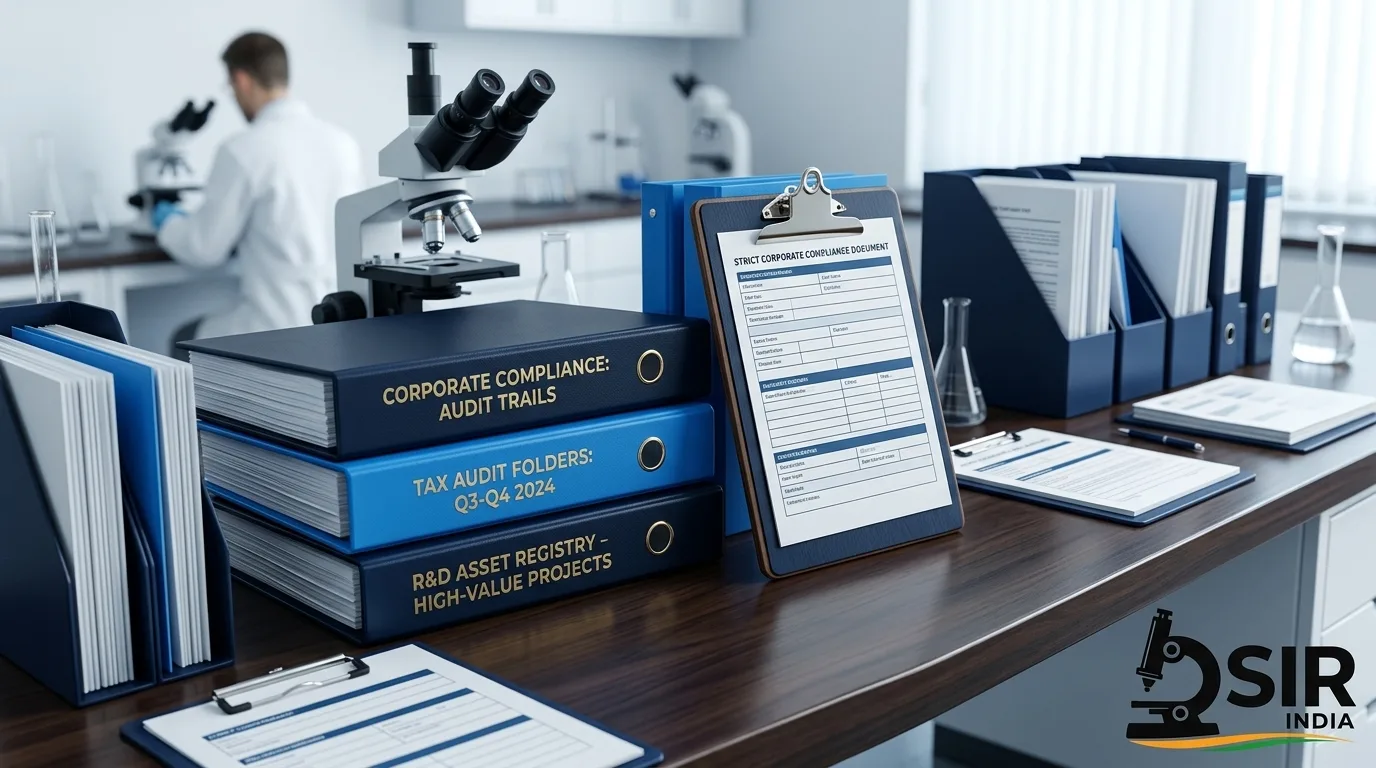
- Structured R&D Documentation: Project plans, experimental logs, and research reports must demonstrate structured R&D activity.
Startups Operating for Less Than 3 Years
Companies generally need to demonstrate a minimum operational history to apply for DSIR recognition. However, DPIIT-recognized deep-tech startups may be eligible for consideration even if they have been operating for less than three years.
This provision is intended to support early-stage companies working on advanced technologies such as AI, robotics, biotechnology, advanced materials, clean energy, and similar deep-tech domains. Professional guidance is recommended to understand how this provision applies to a specific organization's circumstances.
Deep-Tech Startups
A deep-tech startup typically refers to a company whose products or services are based on significant scientific or engineering innovation. These startups often work at the intersection of fundamental research and commercial application.
Deep-tech startups may include companies working in areas such as:
- Artificial intelligence and machine learning
- Biotechnology and genomics
- Advanced materials and nanotechnology
- Robotics and automation
- Clean energy and sustainability technologies
- Semiconductor and electronics design
Important Documentation Considerations
Startups applying for DSIR recognition should be prepared with comprehensive documentation, which may include:
- Valid DPIIT Recognition Certificate
- Certificate of Incorporation, MOA & AOA
- Audited financial statements for the available operational period
- R&D laboratory floor plans, equipment invoices, and photographs
- Research team profiles with qualification certificates
- Comprehensive R&D project summaries with clear innovation objectives
The quality and consistency of this documentation plays an important role in the evaluation process. Learn more about documentation requirements in our DSIR Recognition Complete Guide.
What Organizations Should Understand Before Applying for DSIR
Before beginning the application process, organizations should understand that:
- DSIR recognition requires demonstrating a genuine, structured R&D function — not just innovation in a general business sense.
- The evaluation covers R&D infrastructure, manpower, project documentation, financial records, and the nature of research activities.
- Each organization's situation is unique, and the application must present a coherent picture across all these areas.
- Professional assistance can help organizations identify gaps and prepare the application correctly, reducing the risk of delays or issues.
For a detailed overview of what's involved, visit our DSIR Eligibility assessment or read the complete DSIR recognition guide.
Difference Between DPIIT Recognition and DSIR Recognition
It is important to clearly understand that DPIIT recognition and DSIR recognition are not the same thing.
| Parameter | DPIIT Recognition | DSIR Recognition |
|---|---|---|
| Issuing Authority | DPIIT, Ministry of Commerce | DSIR, Ministry of Science & Technology |
| Purpose | Recognizes the entity as a startup | Recognizes an in-house R&D unit |
| Focus | Business innovation and entrepreneurship | Scientific and technological R&D capability |
| Evaluation | Entity type, age, turnover, innovation | R&D infrastructure, manpower, projects, documentation |
| Automatic Link | No — one does not automatically lead to the other | |
Having DPIIT recognition is a positive credential, but it does not substitute for the detailed technical and documentation requirements of the DSIR application process.
Why Professional Assistance Can Help
The DSIR application involves several eligibility, documentation, technical, and compliance considerations. Professional assistance can help organizations:
- Assess whether their R&D activities align with DSIR requirements
- Identify gaps in documentation, infrastructure, or manpower before applying
- Prepare the application correctly and present a coherent R&D narrative
- Navigate the evaluation and site inspection process
- Avoid common mistakes that lead to delays or issues
Need Help With DSIR Recognition?
Our team can help you understand the eligibility, documentation, and application requirements for your organization.
Talk to DSIR India Check Eligibility